
About
Mu-shin Self-defence 'PAS Training'
At Mu-shin, we believe self-protection starts long before anything becomes physical.
It starts with awareness. Confidence. Boundaries. Decision-making. Presence.
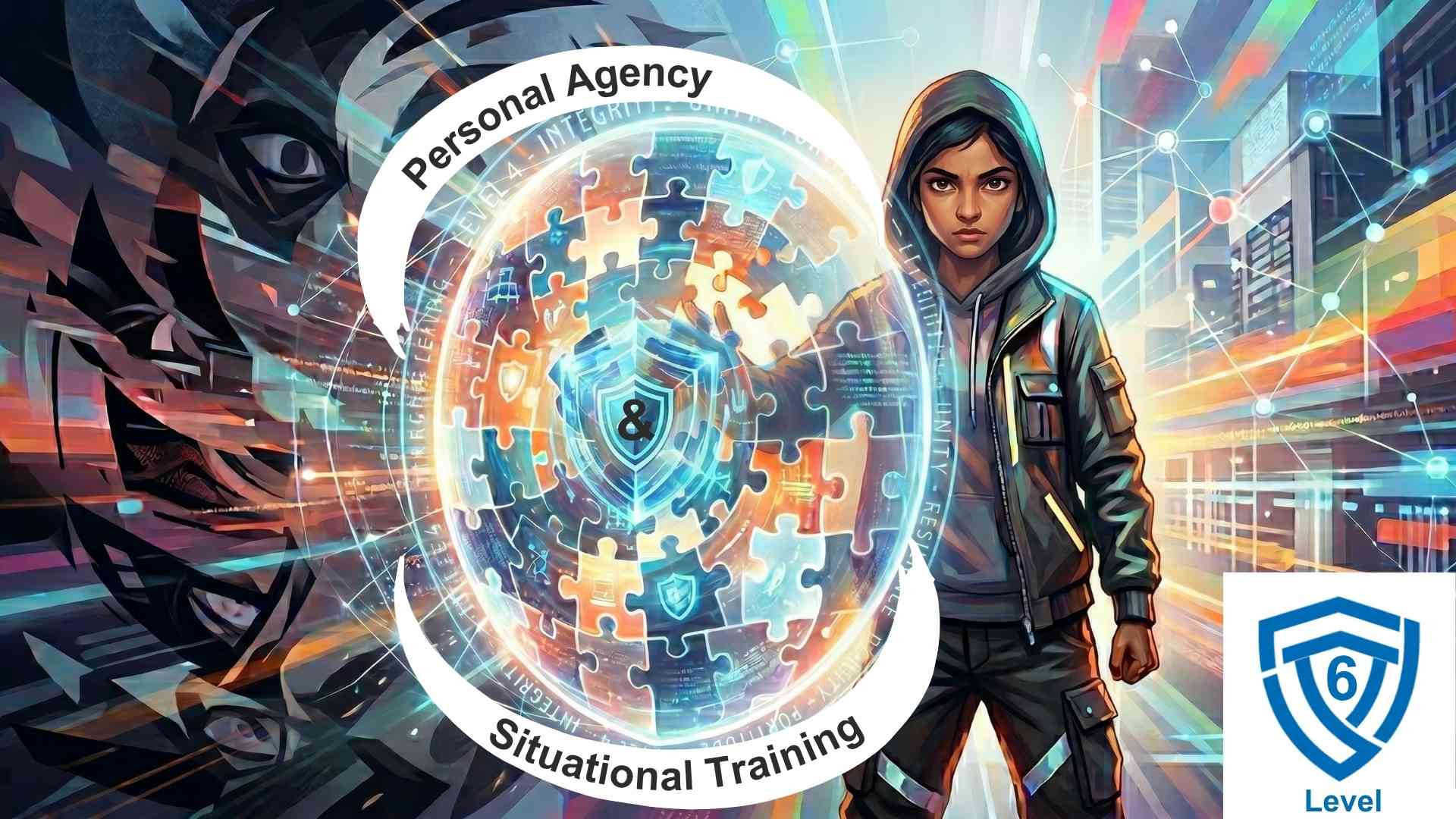
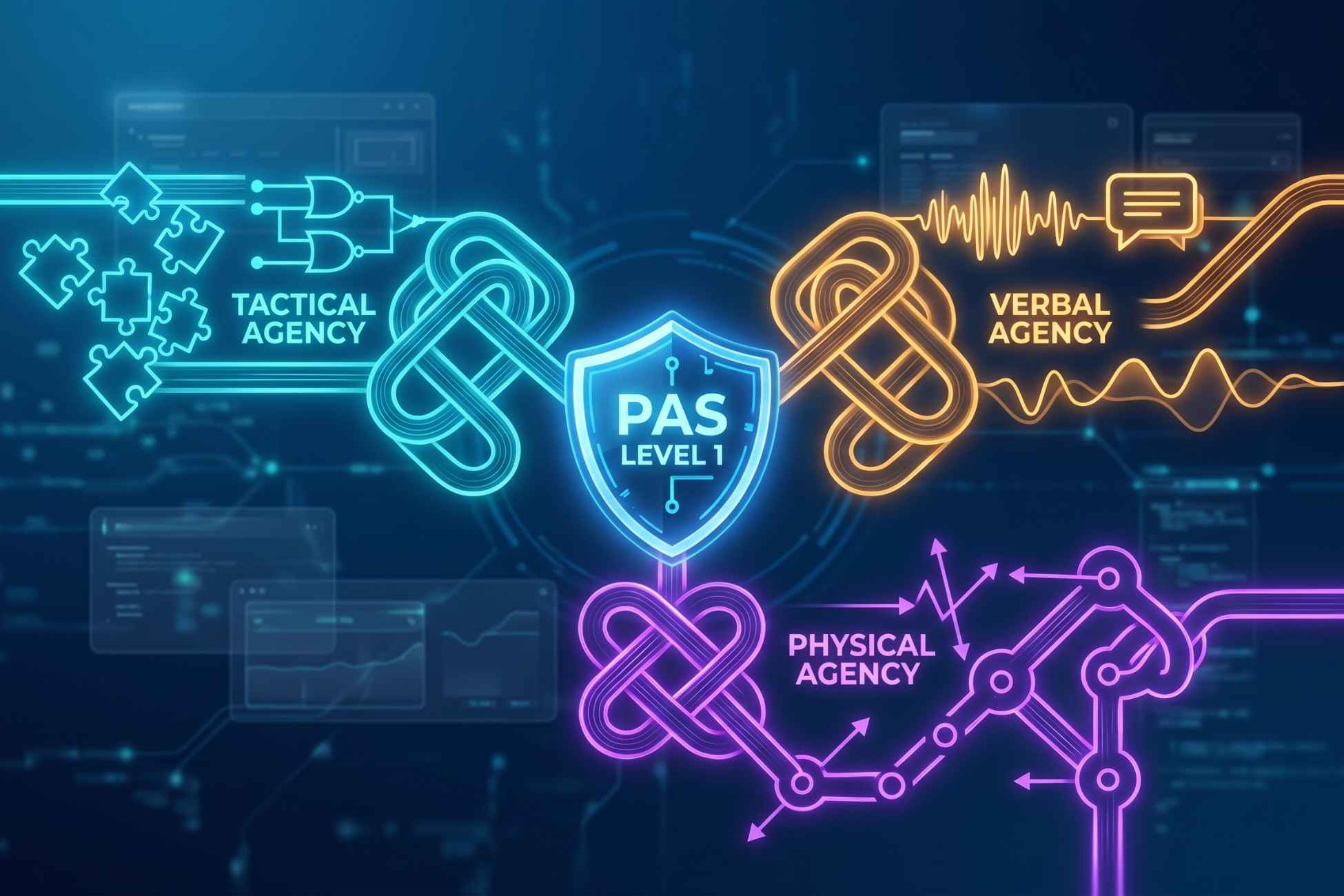
That belief led us to create PAS — Personal Agency & Situational Training — a modern approach to helping people stay calm, capable and in control in a world that often pulls attention away from what really matters.
PAS didn’t appear overnight.
It has evolved through decades of real-life experience, education, entrepreneurship, martial arts training, and working directly with young people.

Co-founder Stuart Kirby has spent over 40 years studying martial arts and personal protection, including seven years living and training in Japan. Immersed in Japanese culture and guided by the discipline and precision of traditional teaching, he experienced something far deeper than fighting techniques alone — respect, awareness, self-control, consistency, and the influence a great sensei can have on a person’s life.
That philosophy shaped the Mu-shin approach.
Rather than relying on complicated techniques, Stuart developed a minimalist instinctive response system built around simple movements, positioning, awareness and repetition — practical skills that can actually be embedded under pressure.
But PAS is about far more than physical protection.
Alongside Mu-shin, Helen’s background in communications, marketing, digital media and now supporting young people with SEND in education has reinforced something important:
Many young people are struggling with personal agency. Not because they lack intelligence but because modern life increasingly trains distraction over presence, reaction over reflection, and dependency over resilience.
Friendship management, boundaries, professionalism, decision-making, reading situations., communicating clearly, recovering from setbacks.
These are life skills.
And they need to be taught intentionally.
Working closely with students in schools has highlighted how confidence and engagement often improve when young people begin to feel more capable physically, verbally and emotionally. PAS helps build those foundations through simple, repeatable systems that strengthen awareness, decision-making and self-belief over time.
Our journey has also shaped PAS in another way.
Before this chapter, we experienced both success and failure as entrepreneurs — taking a product invention to market and building it over nearly a decade before resources and distribution challenges eventually brought that journey to an end. This experience taught us resilience, how to adapt, rebuild and keep moving forward when things don’t go to plan.
Those lessons matter because the next generation is growing up in a world where algorithms shape attention, automation removes challenge, and many decisions are made for them.
We believe people still need to experience struggle, awareness, responsibility and growth firsthand. To stop and think and to notice and trust themselves. People need to be more present in their own lives again.
PAS exists for exactly that. Not through fear but through capability, because the goal isn’t aggression. It’s calm confidence, even under pressure.
It’s learning to become the hero in your own life — even when the world keeps changing around you.
Around the time Stuart became a father to his daughter, the tragic killing of Zara Aleena deeply reinforced a question that had followed him throughout his years of training:
“Why are practical awareness, boundaries and instinctive protection skills still treated as optional life skills?”
Courses
Special Offer
PAS Training Level 1 - 6
WarriorUp Online
WarriorUp Bootcamp
SavvyUp for Seniors
Contact



Information
Terms & Conditions
Privacy Policy
Socials
Latest Blog